Multiple sclerosis (MS) currently has no cure, but treatments are available to help stop the progression of this central nervous system disorder and manage symptoms
Angiogenesis occurs with contribution from VEGF and its receptors, eNOS and EGR-1, all of which have been shown to be affected and upregulated by BPC-157 [8, 38, 39, 7072]
"It's extremely gratifying to find a way to help the body regrow this important tissue." The work builds on previous research at Stanford that resulted in isolation of the skeletal stem cell, a self-renewing cell that is also responsible for the production of bone, cartilage and a special type of cell that helps blood cells develop in bone marrow
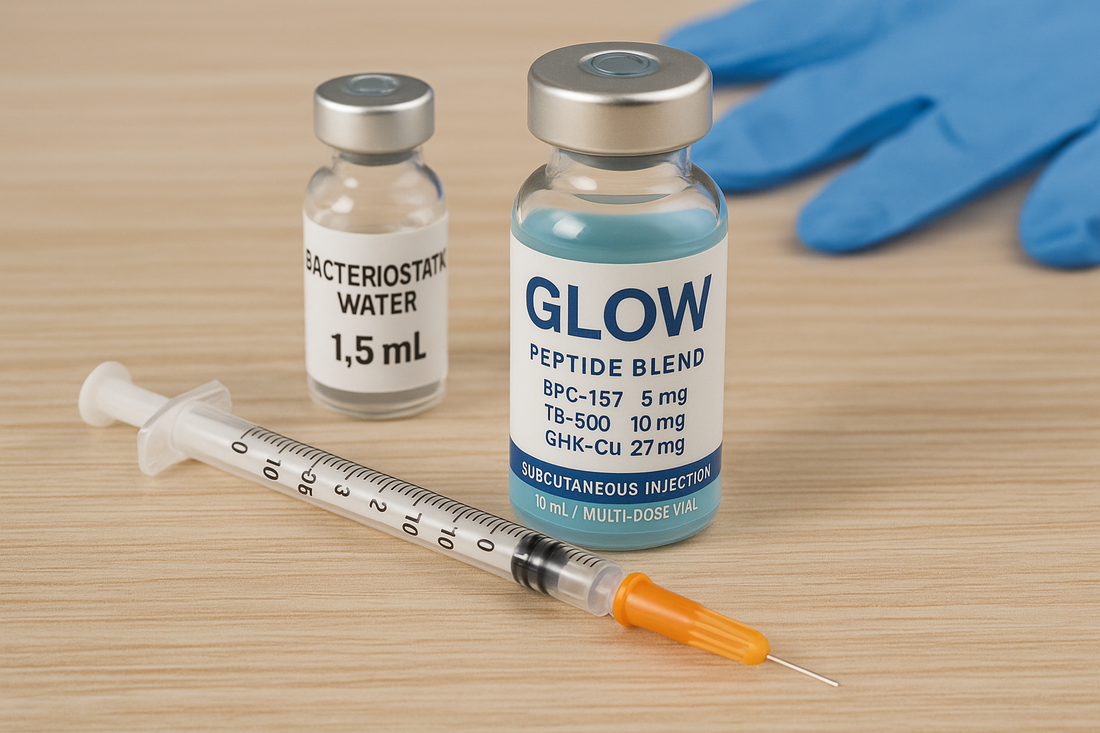
TB-500 is commonly discussed as a synthetic fragment related to thymosin beta-4 biology, which is involved in actin regulation, cell migration, and wound-healing research