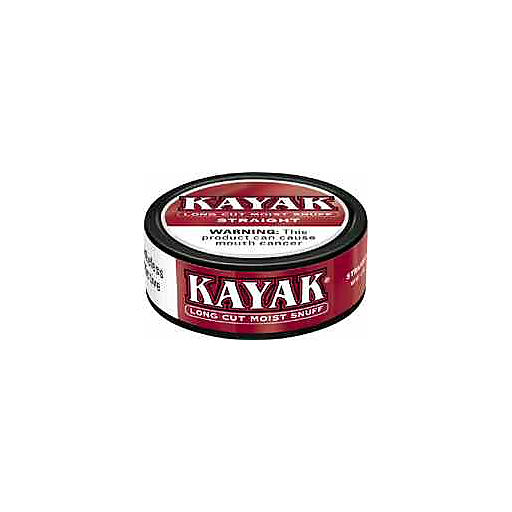
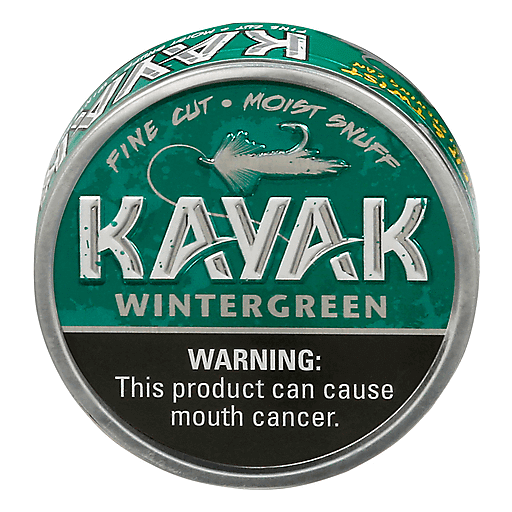
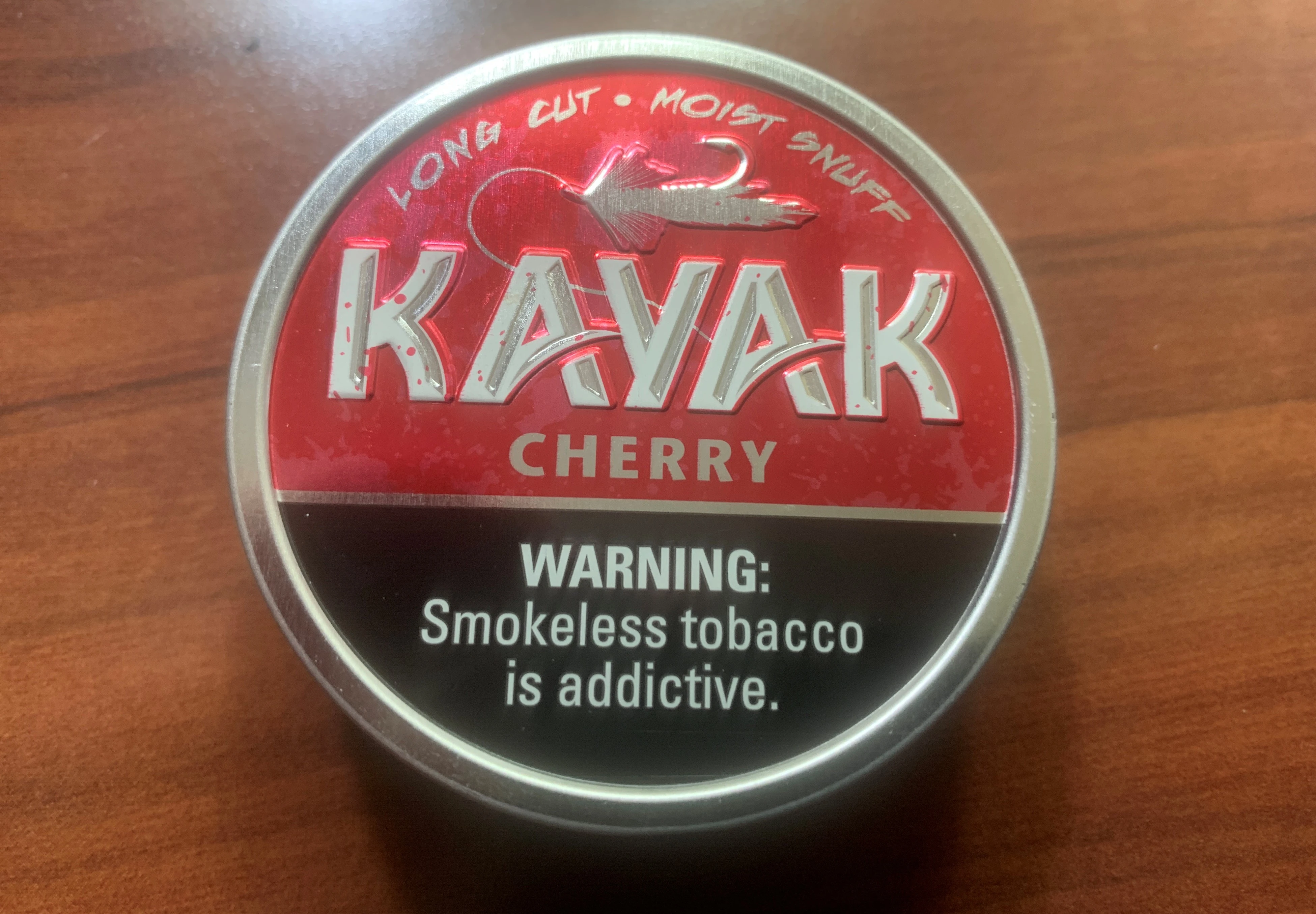
Nicotine is an addictive chemical. The statement should: Be placed on an obvious location on the package Take up at least 30% of the principal display panel Be printed in a minimum 12-point font Occupy as much of the required warning label area as possible Be printed in obvious and readable Helvetica bold or Arial bold type Be capitalized and punctuated Be centered on the principal warning area If the product is too small to contain the warning statement, you can place the text on: The outer container The wrapper A tag that is permanently affixed to the package Registration If you own or operate a domestic establishment that manufactures regulated tobacco products, you should register it with the FDA
Evaluation of behavioural intervention therapies Strengths Covert sensitisation avoids the ethical problems of making someone ill or causing them distress that accompany aversion therapy Behavioural intervention therapies can be adapted to suit individual circumstances for all substance and behavioural addictions, and so they are helpful in many situations Limitations Aversion therapy and covert sensitisation treat the individual in isolation from their social context, thus making relapse more likely in social conditions Behavioural intervention therapies treat the behaviour rather than the underlying problem, which means that the problem may still be present, i.e., other addictive behaviours may replace the one that has ceased (Griffiths, 1995) Issues & Debates Behavioural therapies take a reductionist view of addiction by focusing only on learned associations (stimulus-response links) This ignores biological, cognitive and social factors , which may also contribute to addictive behaviour, limiting the overall effectiveness These interventions assume that addiction is determined by past learning and can be reconditioned, implying limited personal control However, covert sensitisation, which relies on mental imagery, may better support an individuals active role and free will in overcoming addiction Unlock more, it's free
Osuka, A., Ogura, H., Ueyama, M., Shimazu, T
Unlike cigarette smoke, vapor doesn't soak into hair, skin, and clothing, so there's no lasting "smoker smell" to detect