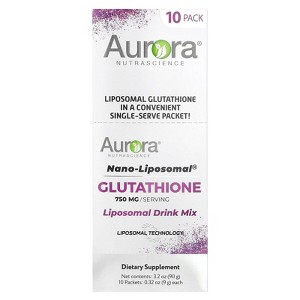
Foods high in sulfur include: Garlic Onions Cruciferous vegetables (broccoli, kale, Brussels sprouts, cauliflower, cabbage) High-antioxidant foods include: Low glycemic fruits, like berries, pomegranates, acai Citrus fruits like lemons, limes, and oranges Avocados Dark leafy greens, like spinach, collard greens Carrots Sweet potatoes Herbs and spices, like turmeric, ginger, oregano, thyme, clove, cinnamon, rosemary Herbal teas, like green tea and matcha Key Nutrients that Support Glutathione Production Glutathione production can be enhanced by getting several other key nutrients, including: Vitamin C and E help recycle and regenerate glutathione Selenium is required for glutathione synthesis
Am J Clin Nutr 1991;54(6):10931100
Even better, Immune also contains LC-Plasma, a probiotic that could potentially help to restore the balance of good bacteria in the gut - as well as activating five different types of immune cells
5-amino-1mq (5mg) Description A single-component research material supplied for controlled research environments