A: No, but you should load the tissue appropriately
In some embodiments, the lipid-based drug delivery formulation or composition comprises a penetration enhancer (e.g., a low molecular weight alcohol (e.g., ethanol, oleyl alcohol), alkyl methanol sulphoxides, N-methyl-2-pyrrolidone, fatty amines (e.g., oleylamine), fatty acids (e.g., oleic acid, palmitoleic acid, linoleic acid, myristate acid), gluconic acid (the hexonic acid derived from glucose by oxidation of the aldehyde group at C-1 to a carboxyl group) and its derivatives, such as gluconolactone (especially, glucono-D-lactone, a chelating agent produced by the oxidation of glucose), azone and propylene glycol, singly or in combination)
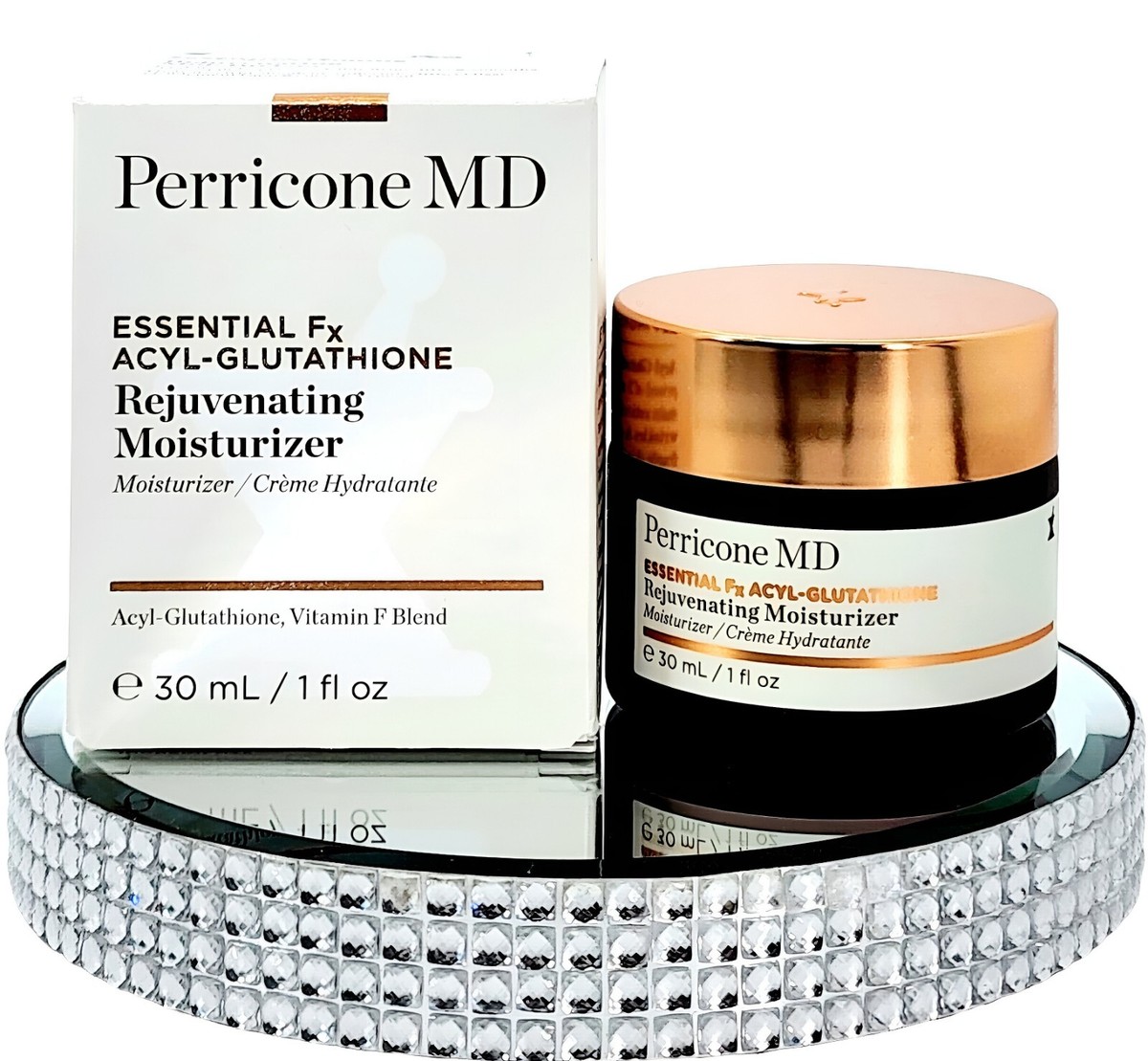
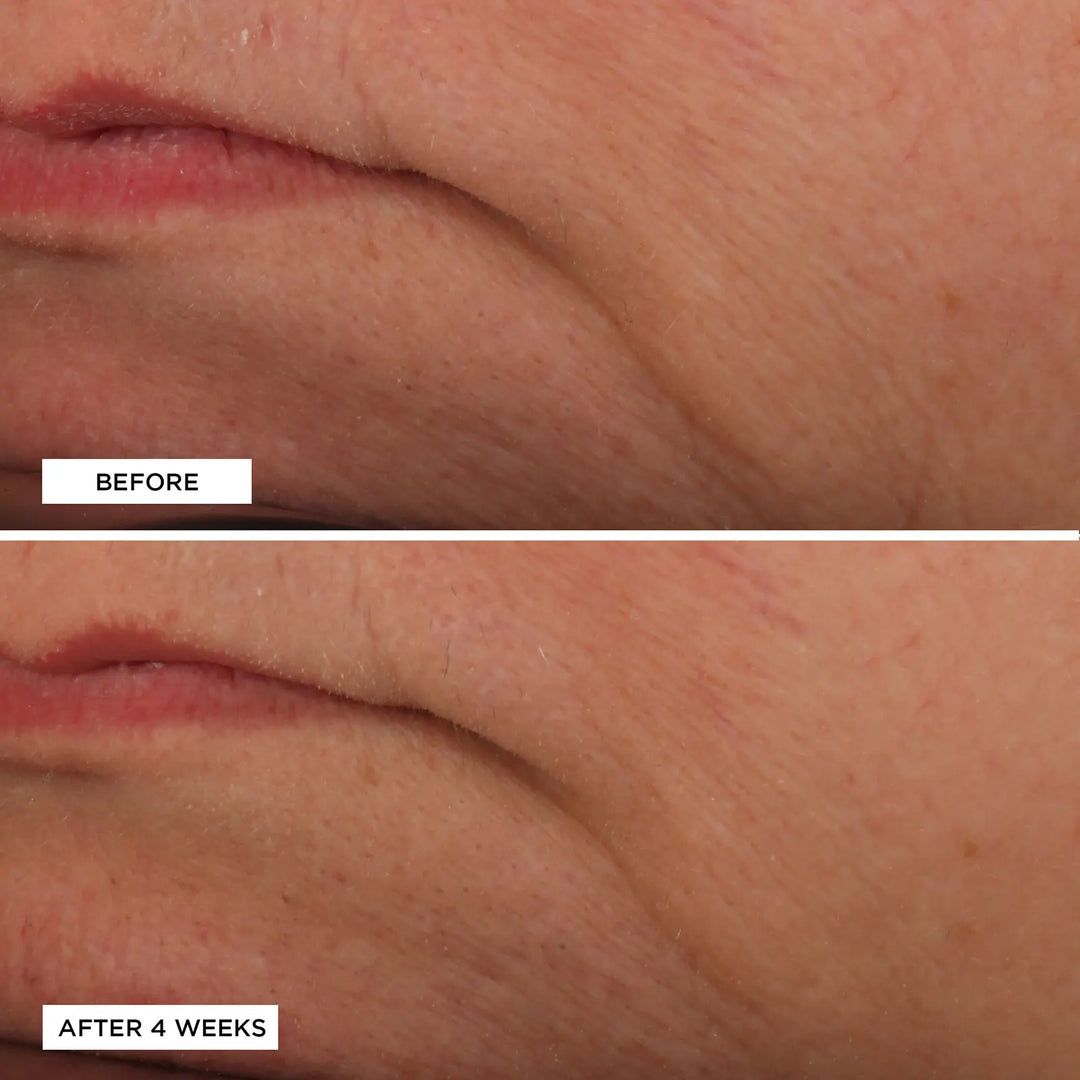
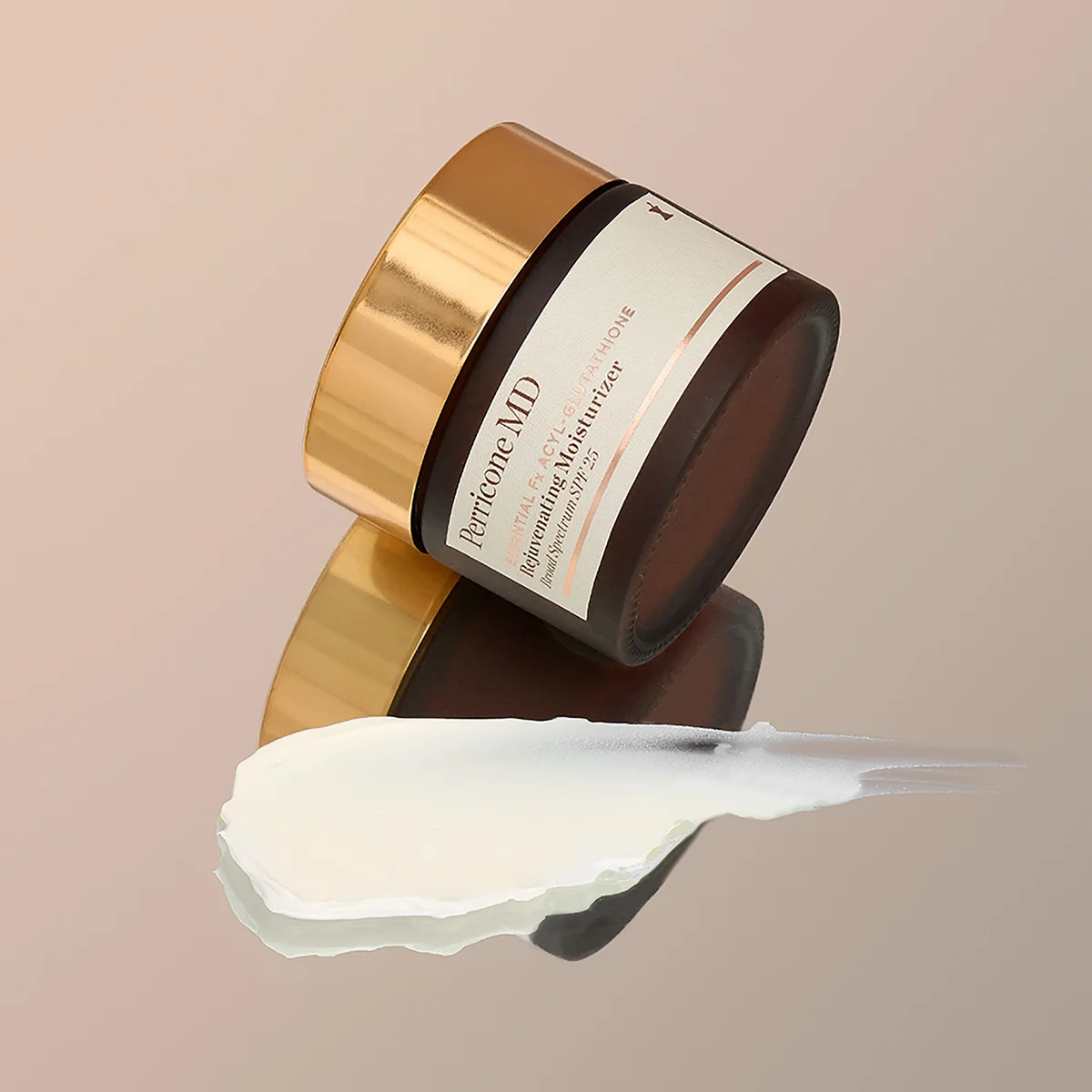
Which is part of why a peptide first pulled out of human plasma back in 1973 still keeps turning up in anti-aging conversations five decades later
It is produced naturally in the liver and plays a crucial role in neutralizing free radicals, detoxifying the body, and supporting the immune system