Preclinical literature reports the use of thymosin beta-4-related peptides in neural, vascular, cutaneous, and cardiovascular models, with histological, biochemical, and molecular analyses aimed at evaluating stress markers, cytoskeletal organization, and tissue response
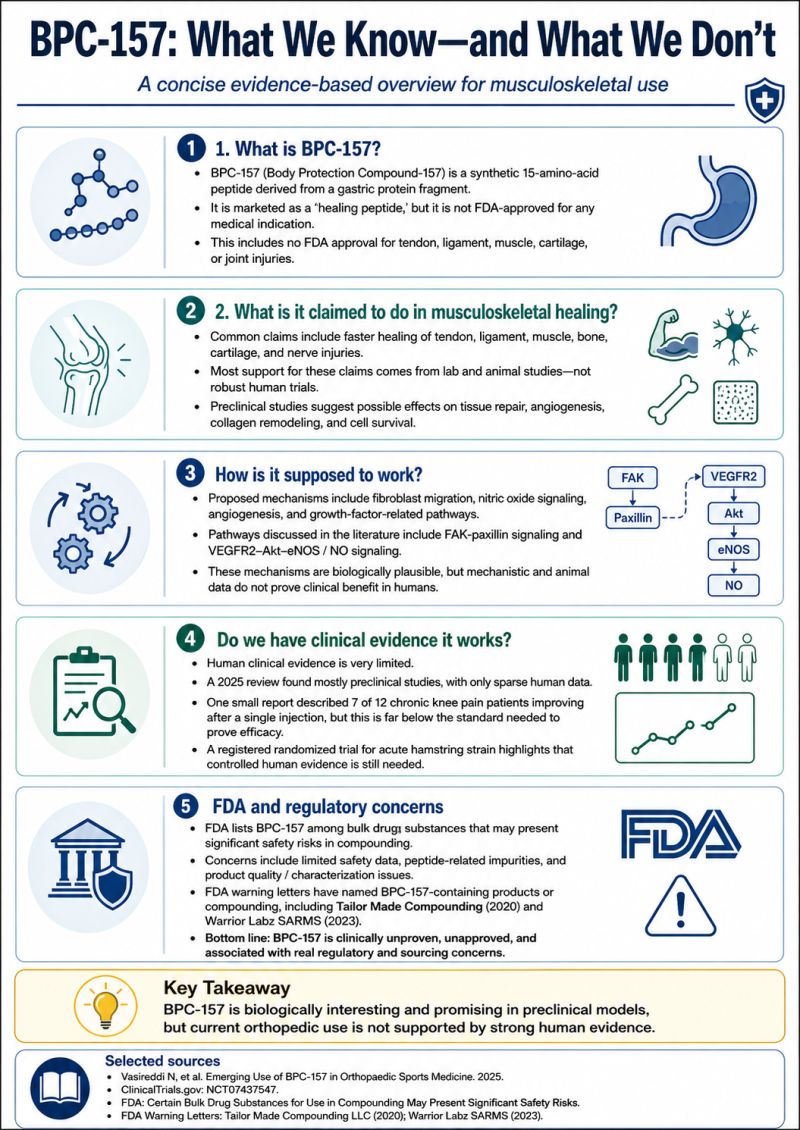
Its sequence is derived from a protective protein found naturally in human gastric juice
Scientific References (External Links) The Journal of Immunology: The human antimicrobial peptide LL-37 is a multifunctional modulator of innate immune responses View Study Journal of Experimental Medicine: LL-37, the neutrophil granule- and epithelial cell-derived cathelicidin, utilizes formyl peptide receptor-like 1 (FPRL1) as a receptor to chemoattract human peripheral blood neutrophils, monocytes, and T cells View Study Journal of Investigative Dermatology: The human antimicrobial peptide LL-37 suppresses apoptosis in keratinocytes View Study Cellular and Molecular Life Sciences: Cathelicidin LL-37: a multitask antimicrobial peptide View Study
Around 85 to 90 percent of your scalp follicles sit in anagen at any given time