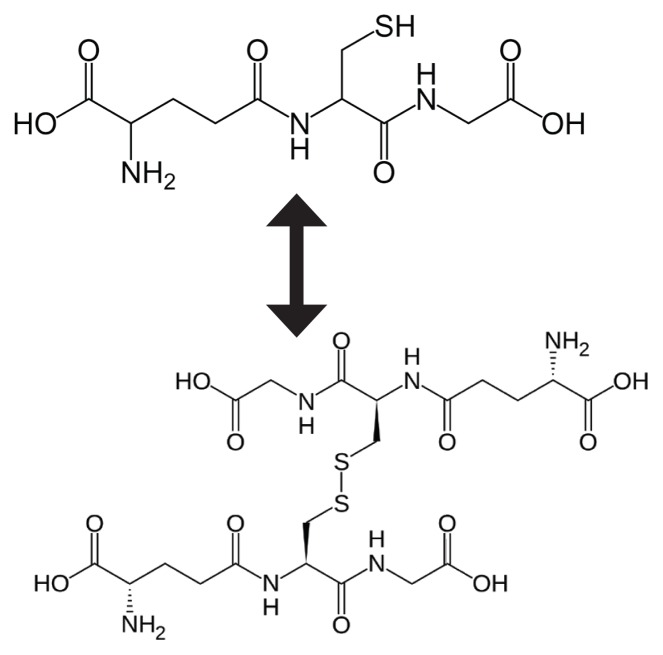
CYP1A1 metabolism of estrogen, polyaromatic hydrocarbons, and more CYP1A2 metabolism of caffeine, duloxetine, bupropion, aflatoxin B, and more CYP2A6 metabolism of nicotine, coumarin, and more CYP2B6 metabolism of ketamine, methadone, sertraline, and more CYP2C9 metabolism of warfarin, rosuvastatin, celecoxib, and more CYP2C19 metabolism of clopidogrel, some proton pump inhibitors, more CYP2D6 metabolism of some antidepressants, antipsychotics, more CYP3A4 metabolism of half of all prescription drugs CYP2E1 metabolism of fatty acids, alcohol, and some anesthetics Phase II detoxification genes: UGT, GST, Nrf2 Phase II detoxification involves taking the metabolites of phase I and modifying them to be easily excreted through conjugation with sulfur, glutathione, glucuronic acid, amino acids, or methyl groups
Researchers investigate GHK-Cu in studies involving: .Cellular communication .Extracellular matrix biology .Collagen-related protein expression .Elastin biology .Oxidative stress mechanisms .Fibroblast signaling .Copper-dependent biological pathways .Tissue remodeling research .Biomaterial compatibility .Cosmetic science research Because these biological systems interact closely, GHK-Cu has become a valuable peptide for multidisciplinary research projects involving biotechnology, peptide chemistry, molecular biology, and cosmetic formulation science
Stress, lack of sleep
Due to limited research, the roles of GPx5, GPx6, and GPx8 in tumorigenesis are still awaiting clarification