Contractors familiar with regional conditions can respond faster and better understand common restoration challenges caused by weather, humidity, and environmental factors
Morrissettes script pulls double duty, though, piling a host of 70s signifiers (the Bad Company-heavy classic rock soundtrack, a Magic 8-Ball, Yahtzee, fondue, Prince Spaghetti, Tab, even a streaker) on top of the expected Macbeth callbacks
and the best surprise of all: Samoas
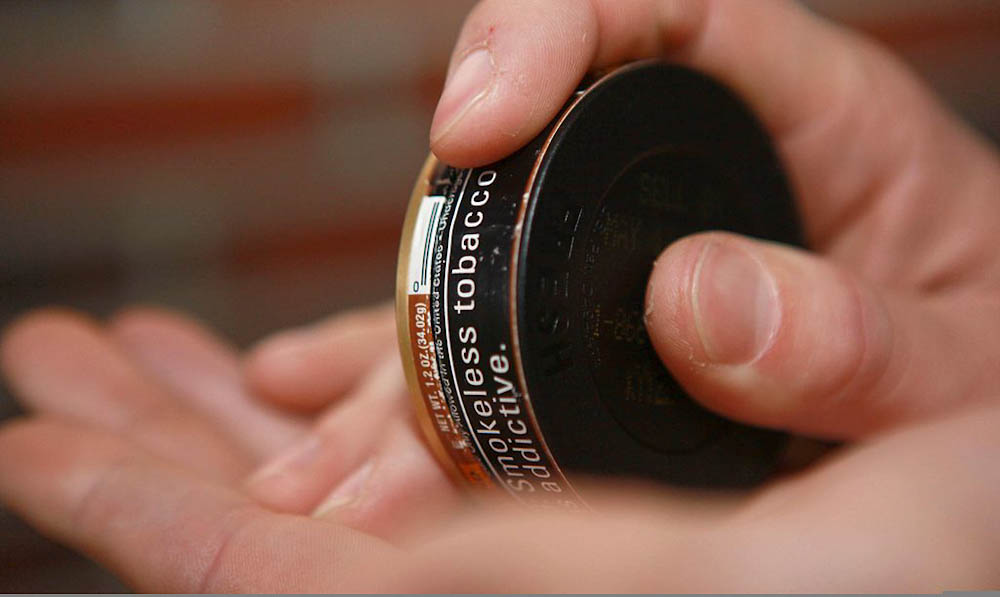
Personal Needs Assessment Framework Before choosing alternatives, evaluate these key factors: Current usage patterns: Frequency, timing, and triggers for tobacco use Nicotine dependency level: How quickly cravings appear without tobacco Primary motivations: Health, cost, social, or lifestyle reasons for switching Ritual importance: How much the physical act matters versus chemical satisfaction Lifestyle constraints: Work environment, social situations, and family considerations Budget parameters: Monthly spending capacity and cost-effectiveness priorities The 4-Week Systematic Transition Approach Research-backed methodology for optimal results: Week 1 - Parallel Usage: Use alternatives alongside existing tobacco to establish familiarity Week 2 - Strategic Replacement: Replace 50% of tobacco sessions with alternatives, focusing on easiest situations first Week 3 - Majority Switch: Use alternatives for 80% of sessions, reserving tobacco only for highest-stress situations Week 4 - Complete Transition: Eliminate tobacco entirely while fine-tuning alternative selection and timing At Outdare LTD, we've found that users who follow systematic transition approaches combined with multi-product strategies achieve the highest long-term success rates