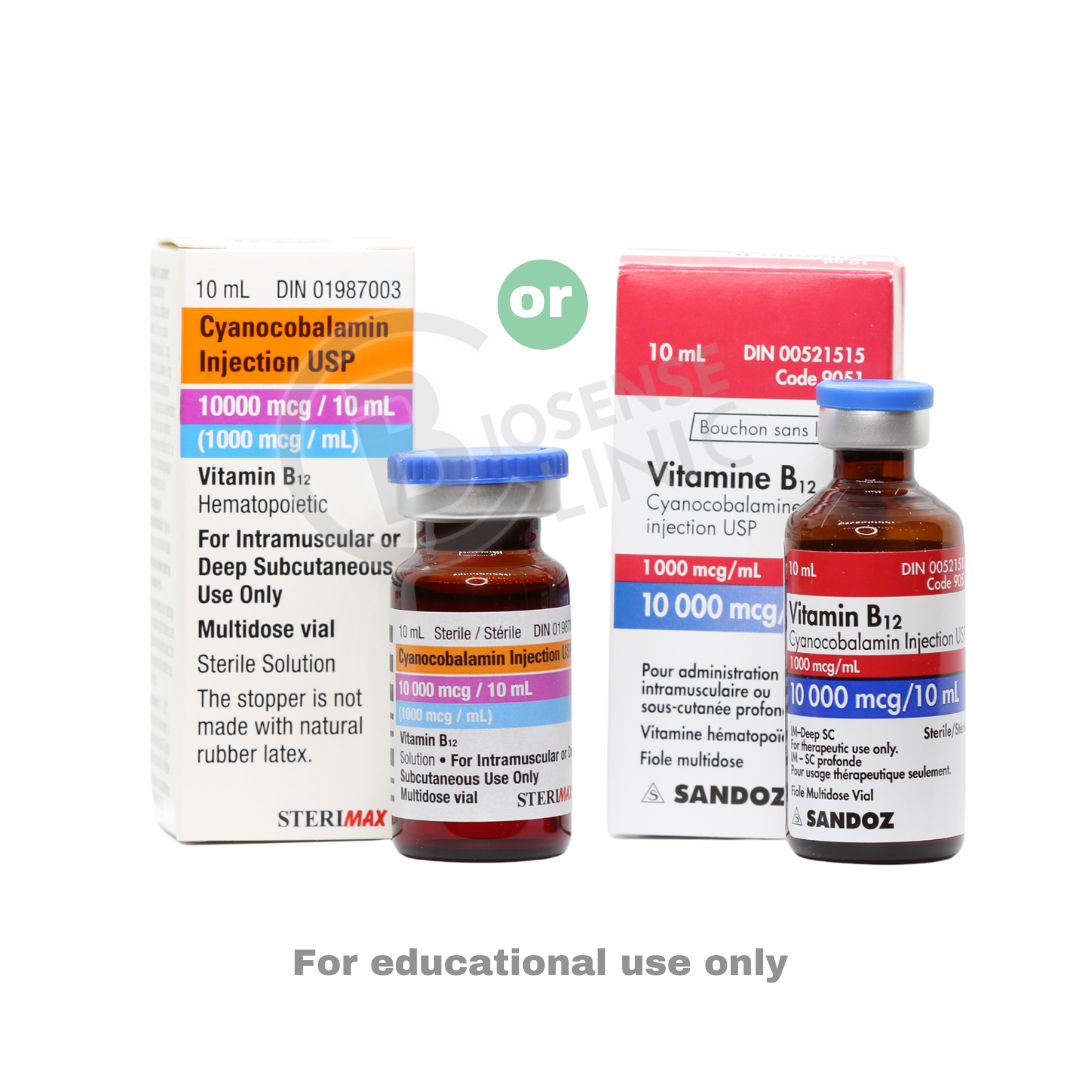
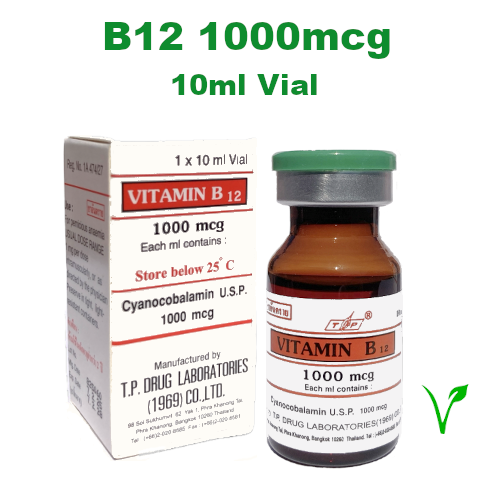
To achieve equivalent systemic exposure, oral protocols typically use 100150mg doses to compensate for the reduced absorption

Before reconstitution Lyophilized powder storage: Room temperature: Fine for months Refrigerator (2-8C): Extends shelf life to 12-24 months Freezer (-20C): Maximum shelf life (24-36 months) Keep in original packaging, protect from light Don't: Leave in hot car Expose to direct sunlight Open vial until ready to reconstitute Get moisture inside vial After reconstitution Critical: Refrigerate immediately: Store at 2-8C (36-46F) Main fridge section, not door (too much temperature fluctuation) Use within 28-30 days maximum Discard if cloudy or discolored Daily use: Remove from fridge briefly to draw dose Return to fridge immediately Don't leave out for hours Each removal should be 5 years continuous use) When to stop and consult physician: Severe or persistent side effects Allergic reaction (rash, difficulty breathing) Unexpected symptoms Contraindications Avoid BPC-157 if: Pregnant or breastfeeding (no safety data) Active cancer (theoretical tumor growth concern) Severe allergic reaction to previous dose Use caution if: Taking blood thinners (BPC-157 may affect coagulation) Scheduled for surgery (stop 1-2 weeks before) Significant health conditions (consult physician) See our peptide safety and risks guide
Likewise, this goes along with counteraction/attenuation of bupivacaine (i.e., arrhythmias, fatal outcome) [89], lidocaine (i.e., local anesthesia via an intraplantar application and axillary and spinal (L4L5) intrathecal block, arrhythmias, convulsions) [60], tetracaine (i.e., dry eye) [276], and oxibuprocaine (i.e., dry eye) [276] as a whole
Qenqo, a natural amphitheater carved into living rock where ritual ceremonies and sacrifices to Andean deities were performed